
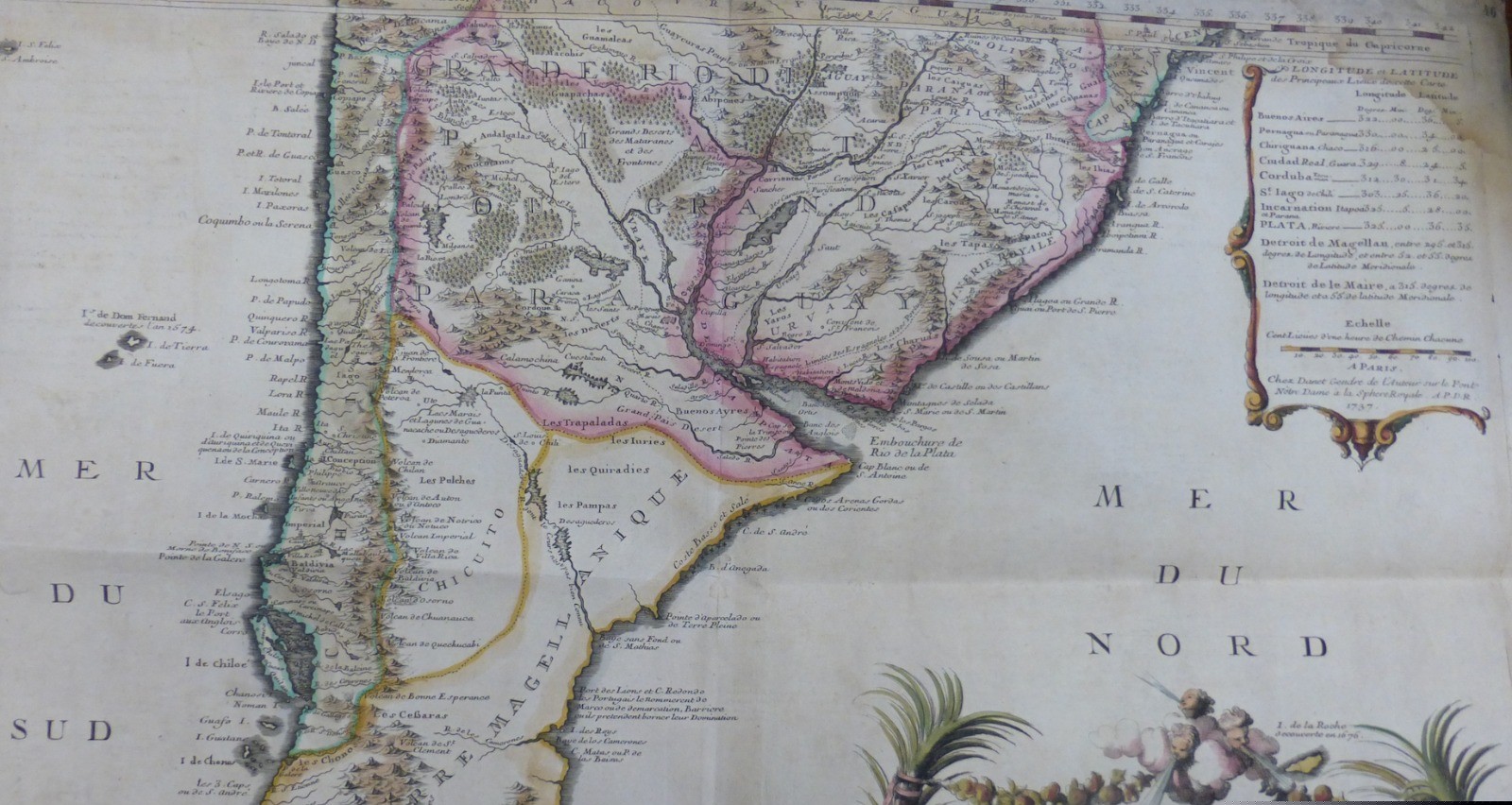
Thinking Hemispherically
There is a mental habit we inherited from the nineteenth century and have not yet learned to abandon: the habit of reading the Americas as two parallel stories, one in the north and one in the south, glancing at each other but never quite touching. The North, in this telling, invented modern democracy in 1776. The South imitated it, belatedly and badly, from 1810 onward, producing caudillos where it should have produced presidents. That dividing line is one of the most persistent fictions of Atlantic historiography, and one of the least examined. To think hemispherically is something else. It refuses the arithmetic of originals and copies. It treats 1776, 1810, 1812, and 1824 as moments of a single process: the unraveling of the European empires that had claimed the hemisphere for three centuries, a shared wager on republican government, and a common set of problems — how to raise armies, fix borders, hold territory, invent a people — that no one on either side of the equator knew how to solve in advance.